

There’s growing discussion of “social” housing as part of the solution to the ongoing housing crisis. While it can have various meanings, social housing is essentially public or subsidized housing that often comes with services. It is the mainstay of housing in Vienna, which is often rated the most livable city in the world.
Unlike much of the subsidized housing in the United States, social housing is high quality and often includes residents with varying incomes.
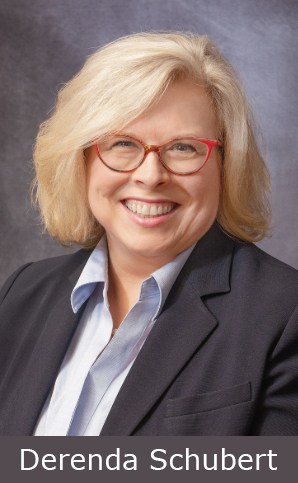
In a recent podcast, I had the opportunity to discuss a unique form of social housing with Derenda Schubert, the director of Bridge Meadows in Oregon. The three Bridge Meadows communities provide housing to both seniors and foster families.
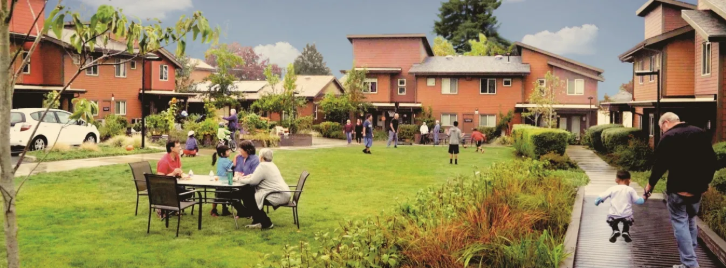
The existing communities have 36 to 40 housing units. The seniors live in one- and two-bedroom apartments and the families in three- and four-bedroom townhouses.
Benefits for Both Seniors and Youth
Schubert describes the benefits of this arrangement. Both the foster families and the seniors have stable housing. The children benefit by having more adults in their lives. The older residents delight in living with children.
“People are coming to this community because they want a sense of connection. They don’t want to be socially isolated, and they want a sense of belonging. And our elders really want a sense of purpose. They don’t want to just be sitting around.”
The communities share both open spaces outside and a multipurpose room that “gets used for everything, for tai chi, …meals,…happiness hour, yoga, [and] adoption ceremonies (which [are] standing room only) and Kleenex is on the table because they’re so beautiful.”
Many of the foster families, Schubert explains, are already extended families, with grandparents and other relatives having stepped in when parents were not able to raise their children. I asked what happens when the children age out of the foster care system. She said that since these are extended families, there’s often still a home for them. In addition, Bridge Meadows has developed a smaller community with 15 apartments for young adults ages 18-24.
Schubert explained that the funding for the Bridge Meadows communities comes mainly from the federal low-income housing tax credit program, supplemented by other assistance, including funding from the municipalities where the communities are located. Residents, themselves, do pay rent as well, but at a subsidized rate.
Natural Support System
The older residents of the Bridge Meadows communities are able to “age in place.” “The elders can live in the community for as long as they’re safely doing so. They can bring in support as they need it, you know, a home health [aide], because this is their home. And they also have this magical community. This incredible community that really cares about one another.”
This community, Schubert explains, supports one another. “We’ve had elders go to the hospital for a variety of reasons and they come back home to their apartment…rather than go to a rehab center. Some do go to the rehab center, but they stay less time because the…care providers understand that when they come home there’s going to be this group of neighbors who watch over and provide meals for them.”
The communities also have social workers on staff who support the residents as their needs progress. By allowing residents to age in place, less burden is placed on the overstretched elder care system.
There are a scattering of similar social housing communities around the country that combine seniors and foster families. The first was the Treehouse Community in Easthampton, Massachusetts. Bastion in New Orleans provides social housing for injured veterans and their families. While perhaps so far a drop in the bucket, based on the need for both affordable housing and elder care, if these types of communities expand they can make a real impact.
For more from Harry Margolis, check out his Risking Old Age in America blog and podcast. He also answers consumer estate planning questions at AskHarry.info. To stay current on the Squared Away blog, join our free email list.