

We may earn a commission if you click on a product link and make a purchase at no additional cost to you. For more information, please see our disclosure policy.
Last updated: November 26, 2025
Key Takeaways
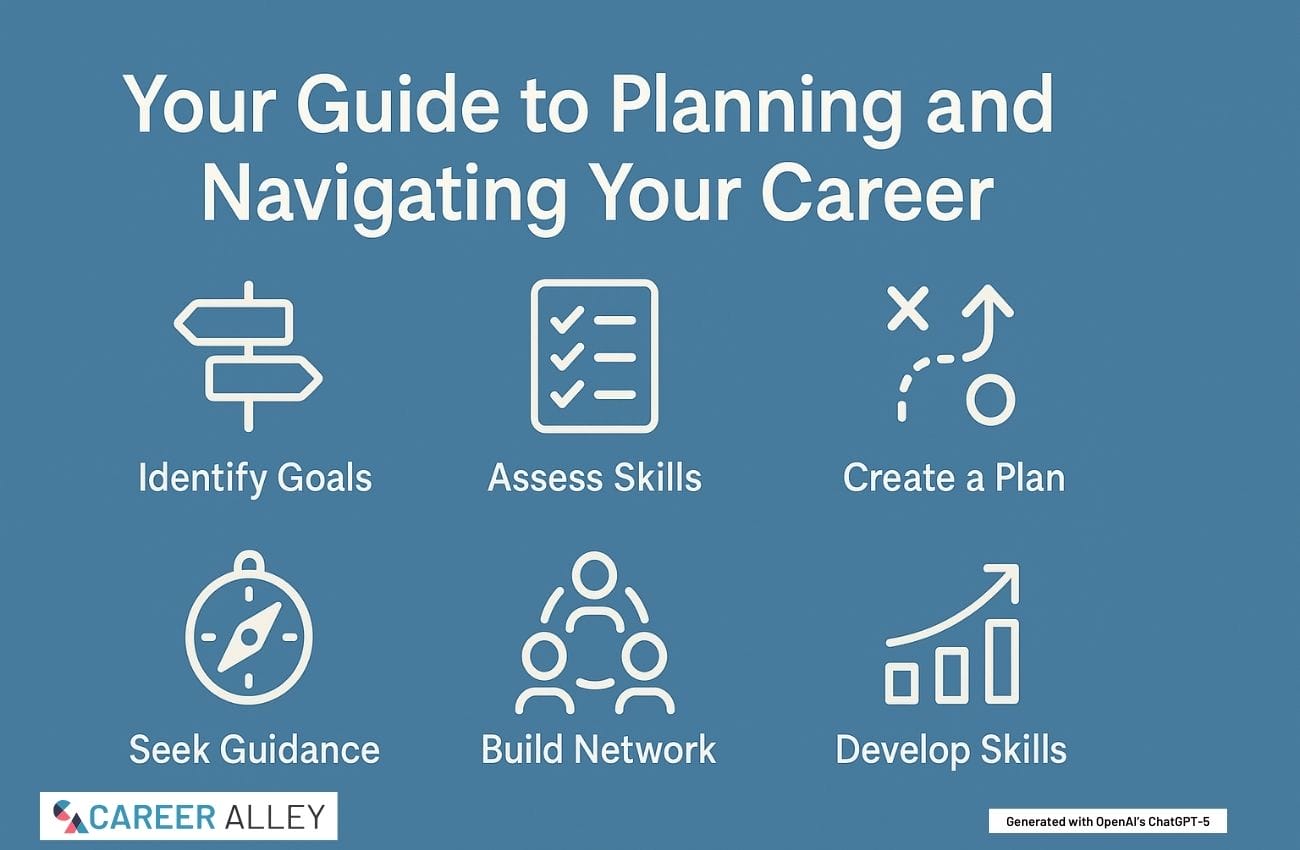
- Career Direction: Clarifying your interests, skills, and long-term goals provides the foundation for intentional, informed career decisions that align with your
strengths . - Strategic Planning: Building a structured plan helps you evaluate opportunities, anticipate challenges, and identify professional development steps that support long-term growth.
- Skill Development: Committing to continuous learning ensures you remain competitive, adaptable, and prepared for new responsibilities throughout your career journey.
- Professional Networking: Maintaining strong relationships expands your opportunities, improves visibility, and supports better decision-making as your career evolves.
- Regular Reflection: Reviewing your progress allows you to refine goals, adjust strategies, and ensure your career remains aligned with your personal and professional objectives.
Understanding the Career Planning Process
A successful career does not unfold by accident; it develops through awareness, planning, and intentional decision-making. A strong career planning guide begins with clarifying what motivates you, what you value, and how you want your future to look. Whether you are just starting out or considering a significant transition, understanding the factors that shape your choices helps you navigate options with confidence and purpose.
Career planning is not a one-time event but a continuous process. As your goals, interests, and opportunities evolve, so should your approach. The foundation of every effective career


Defining Your Professional Goals
Clear, well-structured goals serve as the backbone of your career development strategy. Setting goals allows you to articulate what you want, understand why you want it, and map out the steps needed to achieve it. Practical goals are specific, measurable, and achievable, giving you direction while remaining flexible enough to adapt to changing circumstances. This clarity accelerates progress and prevents aimless decision-making.
Begin by identifying your long-term vision, then break it down into shorter objectives that guide your daily actions and yearly decisions. Consider your preferred work environment, lifestyle needs,
Assessing Your Strengths and Interests
A key step in developing a strong career planning guide is understanding your strengths, skills, and interests. Self-assessment allows you to evaluate your existing capabilities and identify areas for improvement. This process helps highlight the roles and industries where you are most likely to thrive. It also provides confidence when discussing your qualifications with employers or planning the next steps in your professional development.
To build a clearer picture, evaluate your technical
Creating a Structured Career Plan
Once you understand your capabilities and priorities, the next step is to create a structured plan outlining how you will achieve your career goals. A practical
An effective

Career Directions: The Path to Your Ideal Career
This book provides diverse job seekers with the essential resources and techniques to develop a career plan, conduct a successful job search, and succeed in a diverse workplace.
We earn a commission if you click this link and make a purchase at no additional cost to you.
02/07/2026 03:09 am GMT
Developing the Right Skills
Skill development is central to long-term career success. The most successful professionals cultivate a mix of technical knowledge, communication abilities,
Identify the competencies required for the roles you want to pursue and evaluate how your current abilities compare. From there, create a development
Building a Strong Professional Network
A vibrant network of professional connections plays a significant role in shaping your career journey. Networking exposes you to new opportunities, valuable insights, and diverse perspectives. Relationships with mentors, peers, and industry leaders can provide guidance that helps you navigate challenges, evaluate job options, and identify growth opportunities you might otherwise overlook.
Networking should be a long-term habit rather than a task you tackle only during job searches. Attend industry events, engage in online professional communities, and maintain relationships with colleagues from past roles. When you nurture genuine connections and contribute value to others,

Networking for People Who Hate Networking
This book shatters stereotypes about people who dislike networking. They’re not shy or misanthropic. Rather, they tend to be reflective—they think before they talk.
We earn a commission if you click this link and make a purchase at no additional cost to you.
02/06/2026 04:01 pm GMT
Navigating Career Transitions With Confidence
Career transitions are ordinary and often necessary for long-term growth. Whether you are switching industries, pursuing
Before making a change, consider factors such as financial impact,
- Career Exploration: Use My Next Move to explore roles,
skills , and industry paths aligned with yourstrengths and long-term goals. - Skill Development: Visit Coursera for high-quality courses that support technical and professional growth across a wide range of fields.
- Labor Trends: Review the BLS Occupational Outlook for reliable data on job growth,
salary expectations, and emerging opportunities. - Networking Tips: Explore Highly Effective Networking for practical advice on building strong, lasting professional relationships.
- Career Strategy: Check CareerOneStop for structured guidance and tools that support long-term career planning.

Career Change: Stop hating your job
This book will take you through understanding the way you feel now as well as how to improve your current situation immediately so you can create enough space to work on breaking out and doing what you truly love.
We earn a commission if you click this link and make a purchase at no additional cost to you.
02/07/2026 12:01 am GMT
Next Steps
- Set aside time this week to define three short-term and three long-term goals that align with your personal values and career aspirations.
- Identify the key
skills required in your target industry and commit to completing one high-impact course or certification within the next 60 days. - Reach out to at least two professionals in
your network to gather insights or guidance related to your preferredcareer path or upcoming transition. - Review your current resume and update it to reflect your most relevant experience, accomplishments, and future goals.
- Schedule a quarterly check-in to evaluate your progress, refine your objectives, and adjust your career
plan as needed.
Final Words
Planning your career is an ongoing process that blends self-awareness, strategic action, and continuous learning. When you approach each stage with clarity and purpose, you gain the confidence and direction to build a meaningful, sustainable, and fulfilling professional path.


Mark Fiebert is a former finance executive who hired and managed dozens of professionals during his 30-plus-year career. He now shares expert job search, resume, and career advice on CareerAlley.com.